You Won’t Believe These Tasmania Viewpoints Are Real
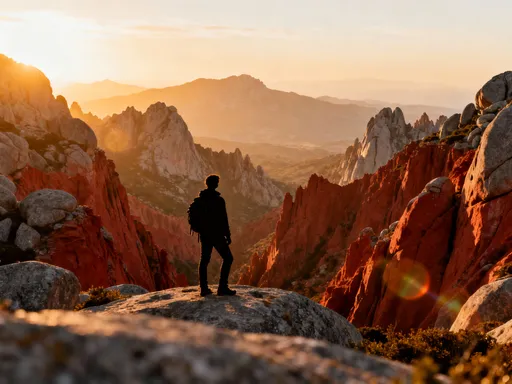
Tasmania is quiet, wild, and impossibly beautiful — a place where nature still feels untouched. I went looking for the best viewpoints, and what I found blew my expectations. From misty mountain peaks to coastal cliffs that drop into endless blue, each spot felt like stepping into a postcard. These aren’t just scenic stops — they’re moments that stay with you. If you're chasing real beauty, Tasmania delivers.
Why Tasmania’s Landscapes Stand Out
Tasmania’s geographical isolation has played a crucial role in preserving some of the most dramatic and diverse natural scenery in Australia. Separated from the mainland by Bass Strait for over 10,000 years, the island has evolved ecosystems that feel ancient and undisturbed. Its landscapes are shaped by glacial activity, volcanic formations, and millennia of minimal human impact. Unlike more developed regions of the country, Tasmania’s viewpoints offer raw, unfiltered access to nature — no artificial enhancements, no overcrowded trails, just the quiet presence of wild places. This authenticity is what sets the island apart.
The island covers just over 68,000 square kilometers, yet it contains more than 20% of Australia’s protected wilderness. It is home to one of the last expanses of temperate rainforest on Earth, much of which is included in the Tasmanian Wilderness World Heritage Area — a UNESCO designation earned for its outstanding natural and cultural value. These forests contain plant species that trace their lineage back to the supercontinent Gondwana, offering a living glimpse into Earth’s distant past. The combination of alpine plateaus, deep river gorges, and rugged coastlines creates a visual diversity that few places can match.
Another defining feature is Tasmania’s low population density. With fewer than 600,000 residents spread across a vast terrain, the sense of solitude is immediate. Visitors can hike for hours without encountering another soul, a rarity in today’s world of overtourism. This lack of human footprint allows ecosystems to thrive and scenic vistas to remain pristine. Whether you’re standing atop a windswept bluff or walking through a fern-lined valley, the feeling of being in a truly wild place is unmistakable.
What makes these landscapes more than just picturesque is their ability to inspire reflection. They are not curated for Instagram; they exist simply because they have always been there. The slow erosion of dolerite columns along the coast, the quiet spread of moss across ancient logs, the way morning light filters through a canopy of myrtle beech — these are moments of stillness that invite presence. Tasmania’s value lies not only in its visual grandeur but in its power to reconnect people with the rhythms of the natural world.
Cradle Mountain: More Than Just a Postcard Shot
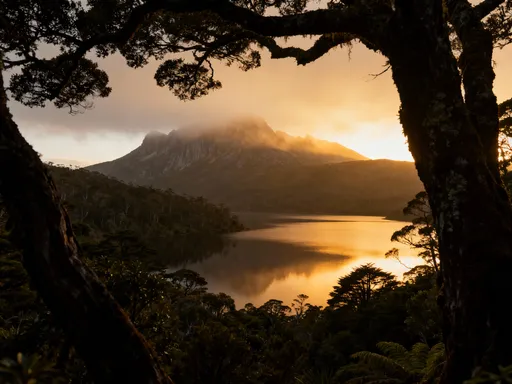
Cradle Mountain is often the first image that comes to mind when people think of Tasmania’s wilderness. Towering over the surrounding valleys, its jagged peak rises dramatically above the landscape, often shrouded in mist. The classic view from Dove Lake, with the mountain mirrored perfectly in still waters, has become iconic — but it is only the beginning of what the area offers. For travelers seeking a deeper experience, the true magic lies in exploring the elevated perspectives that reveal the mountain’s full scale and complexity.
One of the most rewarding vantage points is Marion’s Lookout, a moderate 1.5-kilometer return walk that gains just enough elevation to offer sweeping views of Cradle Mountain and the surrounding alpine plateau. The trail begins near the visitor center and winds upward through pencil pine and cushion plants, with interpretive signs explaining the unique vegetation. Reaching the top, hikers are rewarded with a panoramic outlook that captures the entire massif, including the lesser-seen northern face. On clear mornings, the first light strikes the summit, turning the rock a soft golden hue — a moment that feels almost sacred.
For those seeking a more immersive experience, the Skyline Track offers one of the most exhilarating hikes in the region. This challenging 6-kilometer loop begins at the same starting point as the Dove Lake circuit but quickly ascends above the treeline via a series of switchbacks and wooden boardwalks. As the trail climbs, the forest gives way to alpine moorland, and the views expand with every step. At the highest point, the path traverses a narrow ridge with drop-offs on either side, providing unobstructed views of the mountain’s western flank and the vast wilderness beyond.
Timing is essential for making the most of these viewpoints. Early morning visits allow for quieter trails and softer light, ideal for photography. By midday, the area can become crowded, especially during peak seasons. Winter brings snow to the summit, transforming the landscape into a monochrome dreamscape, but requires appropriate gear and caution. Regardless of when you visit, Cradle Mountain offers more than a photo opportunity — it offers a chance to witness nature in its most uncompromising form.
The Overlook at Russell Falls: Where Light Plays in the Rainforest
Located within Mount Field National Park, Russell Falls is one of Tasmania’s most beloved natural attractions — and for good reason. This soft, tiered cascade flows gently over moss-covered rocks, surrounded by towering myrtle beech and tree ferns. The air is cool and damp, filled with the sound of falling water and the scent of wet earth. But while many visitors stop at the base of the falls, the true depth of the experience unfolds when you take the short climb to the elevated viewing platform.
The walk to the upper lookout is just 200 meters from the main path, well-maintained and accessible to most fitness levels. As you ascend, the perspective shifts — instead of looking up at the falls, you begin to see them in context. From above, the full flow of the cascade becomes visible, along with the surrounding forest that feeds it. Sunlight filters through the canopy in dappled patterns, catching the mist and creating fleeting rainbows. On overcast days, the light takes on a soft, ethereal quality, making the entire scene feel like something from a fairy tale.
What makes this spot feel sacred is not just its beauty, but its continuity. The myrtle beech trees here are part of a lineage that dates back over 100 million years. These are remnants of the ancient Gondwanan rainforest, a living link to a time when Australia was connected to Antarctica and South America. Standing in this forest, it’s easy to feel small — not in a disheartening way, but in a way that brings perspective. The world moves slowly here, governed by seasons, rainfall, and the quiet growth of moss.
For those wishing to extend the experience, two additional waterfalls lie further along the trail: Horseshoe Falls and Lady Barron Falls. Horseshoe Falls, as the name suggests, forms a graceful curve through a rocky channel, while Lady Barron plunges more dramatically through a narrow chute. Both are worth the extra 30-minute walk, especially in late spring when water levels are high. Photographers will find the best light in the late morning, when the sun reaches deeper into the valley. Even on rainy days, the forest comes alive with color — the orange lichen on the trees, the vibrant green of the ferns, the dark sheen of wet bark.
Cape Raoul: Where the Land Meets the Wild Southern Ocean
On the southeastern edge of the Tasman Peninsula, Cape Raoul stands as one of the most powerful coastal viewpoints in southern Tasmania. Here, sheer dolerite cliffs rise hundreds of meters above the Southern Ocean, their dark columns formed by ancient volcanic activity. The sea crashes against the base with relentless force, sending plumes of spray into the air. Offshore, dramatic sea stacks like the Totem Pole and Candlestick rock stand as sentinels, shaped by centuries of wind and wave erosion. The raw energy of this place is palpable — it’s not just a view, it’s a confrontation with the power of nature.
The hike to Cape Raoul is a moderate 6-kilometer return journey along a well-marked trail that begins at a small car park off Stormlea Road. The path winds through coastal heathland, passing banksia and tea trees before reaching the first lookout. From here, the full scale of the cliffs becomes apparent. The trail continues along the cliff edge, with sturdy railings in exposed sections. Along the way, several viewing platforms offer different angles of the coastline, each more dramatic than the last. One of the most striking perspectives is of the Amphitheatre, a curved section of cliff that drops vertically into a churning cove.
The geology of Cape Raoul tells a story millions of years in the making. The dolerite rock, rich in iron and magnesium, cooled slowly beneath the Earth’s surface before being exposed by erosion. Its columnar jointing — the distinctive hexagonal patterns visible in the cliffs — is the result of contraction during cooling. These formations are common in Tasmania, but few places display them so dramatically. The constant pounding of the ocean continues to reshape the coastline, slowly carving new caves and arches. It’s a reminder that the landscape is not static, but alive and evolving.
Visitors should be prepared for strong winds, even on calm days. Layers are essential, as temperatures can drop significantly near the cliff edge. Late afternoon is often the best time to visit, when the western light bathes the cliffs in a warm glow and the shadows deepen in the crevices. While the trail is well-maintained, it is not recommended for very young children or those uncomfortable with heights. The solitude and grandeur of Cape Raoul make it a place for reflection — a chance to stand at the edge of the continent and feel the pulse of the planet.
The Pinnacles at Bay of Fires: Sunrise Like Nowhere Else
The Bay of Fires is renowned for its startlingly bright orange lichen that coats the granite boulders along the shoreline, creating a surreal contrast with the white sand and turquoise water. But while many visitors focus on the beach level, few make the short climb to The Pinnacles — a low mountain range that offers one of the most breathtaking panoramic views in eastern Tasmania. At sunrise, when the sky shifts from deep indigo to soft gold, the entire coastline is revealed in a single sweeping vista.
The trail to The Pinnacles begins near the Apslawn campground and follows a 3.4-kilometer return path through dry eucalypt forest and rocky outcrops. The ascent is gradual, gaining about 180 meters in elevation, with steps and handrails in steeper sections. The final stretch involves a short scramble over granite slabs, but the effort is rewarded with an unobstructed 360-degree view. To the north, the coastline stretches endlessly, dotted with secluded coves and fishing shacks. To the south, the bay unfolds like a painting — the orange rocks glowing in the morning light, the water shimmering in shades of blue and green.
Timing is critical for experiencing this view at its best. Arriving an hour before sunrise allows enough time to reach the summit in darkness, using a headlamp for safety. As the sky lightens, the colors begin to emerge — first the silhouettes of the trees, then the blush of dawn, and finally the full brilliance of daybreak. Photographers often set up tripods at the top to capture long exposures of the changing light. Even for non-photographers, the slow reveal of the landscape is a meditative experience.
Parking can be limited during peak seasons, so arriving early also ensures a spot. Nearby camping options, such as Apslawn and Sunshine Bay, make it possible to stay overnight and avoid the commute. Some travelers combine the hike with a morning beach walk, exploring the tide pools and collecting driftwood. The Pinnacles offer more than a view — they offer a new way of seeing the Bay of Fires, not as a series of isolated beauty spots, but as a continuous, living landscape shaped by fire, wind, and sea.
Mount Wellington’s Summit: A View Over Hobart and Beyond
Rising 1,271 meters above sea level, Mount Wellington — known as Kunanyi by the Palawa people — dominates the skyline south of Hobart. Its summit is accessible by car, bicycle, or foot, making it one of the most approachable high-elevation viewpoints in Australia. Yet despite its proximity to the city, the experience of standing at the top feels profoundly remote. On a clear day, the view stretches across the Derwent River estuary, the city’s red rooftops, and the patchwork of farmland and forest that extends to the horizon.
The most popular route is the Pinnacle Drive, a 19-kilometer road that winds up the mountain from Hobart. While driving is convenient, it means missing the subtle shifts in vegetation as you climb — from dry sclerophyll forest at the base to alpine heath near the summit. Cyclists and hikers who take the Organ Pipes track experience this transition firsthand. The trail follows a historic aqueduct line and passes through a section of columnar dolerite formations that resemble organ pipes, hence the name. It’s a moderate 10-kilometer one-way hike, best done with proper gear and plenty of water.
At the summit, a viewing platform and visitor center provide shelter from the wind, which can be fierce even on mild days. Temperatures here are often 10 to 15 degrees Celsius lower than in the city, and snow is not uncommon in winter. A clear winter morning can offer some of the most spectacular views — with snow dusting the mountain’s peak and frost glinting on the rocks, while the valley below remains in autumn warmth. The contrast between urban life and wilderness is striking, yet they coexist in a way that feels harmonious.
For those seeking solitude, walking a short distance from the main parking area reveals quieter spots with equally stunning views. The northern face offers a sweeping panorama of Hobart, while the southern side looks out over the remote Wellington Range. At night, the city lights twinkle like stars, and on rare occasions, the southern lights have been seen from this vantage point. Mount Wellington is more than a viewpoint — it’s a threshold between civilization and wildness, a place where you can stand in both worlds at once.
Wineglass Bay and Beyond: Seeing Freycinet Differently
Wineglass Bay, with its perfect curve of white sand and clear water, is one of Australia’s most photographed beaches. Located in Freycinet National Park, it draws thousands of visitors each year, many of whom hike the well-marked trail to the lookout and then turn back. But the true essence of Freycinet reveals itself to those who go further — who take the time to explore the lesser-known perspectives that surround the bay. The lookout at the top of the Wineglass Bay track is just the beginning.
The hike to the main viewpoint is about 1.5 kilometers each way, with a steady incline that rewards effort with an instant payoff. From the saddle between Mount Freycinet and Mount Graham, the entire bay unfolds below, shaped like a delicate wine glass. The contrast between the pink granite headlands and the turquoise water is striking. But to experience the bay without the crowds, it’s best to arrive early — before 8 a.m. — or later in the afternoon when day-trippers have left. Midday brings heat and people, while sunrise brings stillness and golden light.
For a different perspective, Cape Tourville offers a wheelchair-accessible boardwalk that leads to a high cliff-top lookout with views of both Wineglass Bay and the open ocean. Unlike the Wineglass Bay track, this trail sees fewer visitors and provides interpretive signs about the local ecology and Aboriginal history. The vantage point here is wider, capturing the movement of tides and weather across a broader stretch of coastline.
Perhaps the most immersive way to see Freycinet is from the water. Guided kayak tours depart from Coles Bay and paddle along the shoreline, offering a ground-level view of the cliffs, sea caves, and marine life. From the kayak, the scale of the granite formations becomes more apparent, and the sound of the waves against the rocks creates a rhythmic backdrop. These tours often include stops on secluded beaches and opportunities to spot seals, dolphins, or white-bellied sea eagles.
Wineglass Bay is iconic for a reason, but Freycinet National Park is much more than a single destination. It is a landscape of layered beauty — of hidden coves, quiet forests, and rugged peaks. By taking the time to explore beyond the postcard view, travelers gain a deeper appreciation for the complexity and resilience of this ancient land.
Conclusion
Tasmania’s viewpoints aren’t just scenic stops — they’re invitations to slow down and truly see. Each one tells a story of time, geology, and quiet resilience. Whether you're standing on a windswept cliff or in a hushed forest, the island rewards presence with perspective. The best views aren’t found — they’re felt. And in Tasmania, they linger long after you leave. These landscapes do more than please the eye; they awaken a sense of wonder, a recognition that there are still places on Earth that exist on their own terms. For the traveler seeking authenticity, beauty, and a moment of stillness, Tasmania offers not just destinations, but transformations. In a world that moves too fast, the island stands as a reminder that some things are worth the journey — and worth remembering.