You Won’t Believe These Hidden Architectural Gems in Bandung
Bandung isn’t just about cool vibes and street food—it’s a visual feast waiting to be captured. I was blown away by how much character its buildings carry, from Dutch-era elegance to bold modern twists. If you're hunting for photo spots that tell a story, this city delivers. Every corner feels like stepping into a living postcard. Let me take you through the most stunning architectural features that make Bandung a must-visit for anyone with a camera and a sense of wonder.
First Impressions: Bandung’s Architectural Identity
Bandung’s skyline tells a story older than its reputation as Indonesia’s creative capital. Nestled at over 750 meters above sea level in West Java, the city’s highland climate has long influenced not only its lush green surroundings but also the way buildings are designed and preserved. Cool temperatures and frequent mist have favored structures with large windows, open courtyards, and high ceilings—features that promote natural ventilation and light. These practical needs, combined with a layered history, have shaped an architectural identity that is both functional and poetic.
The city’s most defining era began in the early 20th century under Dutch colonial rule. Urban planners laid out wide boulevards and introduced European styles, especially Art Deco and Neoclassical designs, which still dominate the city center. Buildings from this period were constructed with durability in mind, using local volcanic stone and imported Dutch bricks. This blend of materials and styles gave rise to a unique hybrid aesthetic—European in form, yet grounded in Indonesian context. Many of these structures were civic buildings, banks, and residences for colonial officials, designed to reflect authority while adapting to tropical conditions.
After Indonesia gained independence in 1945, Bandung continued to evolve. The city became a symbol of national pride, hosting the historic 1955 Asian-African Conference. This moment solidified its role as a diplomatic and cultural hub, prompting further urban development. However, rapid modernization in later decades led to the neglect of many heritage buildings. In recent years, a renewed appreciation for architectural preservation has sparked restoration efforts across the city. Grassroots movements, supported by local government initiatives, are breathing new life into forgotten facades, transforming Bandung into a living museum of architectural evolution.
Today, walking through Bandung feels like flipping through the pages of a well-worn architectural journal. You’ll see colonial-era buildings standing shoulder to shoulder with sleek, modern structures that reinterpret traditional motifs. This coexistence is not accidental—it reflects a growing consciousness about the value of heritage in shaping contemporary identity. For visitors, especially those with an eye for design and detail, the city offers a rare opportunity to witness history not as a static exhibit, but as an ongoing conversation between past and present.
Bruges of Java: Exploring the Old Town Core
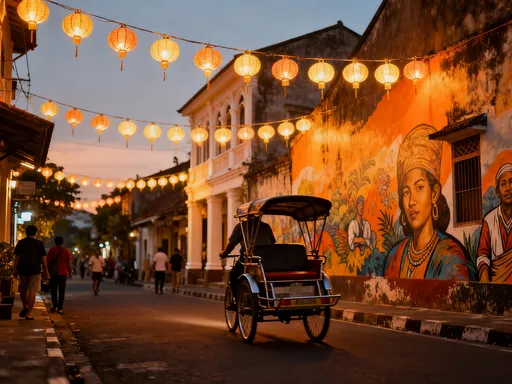
Often referred to as the "Paris of Java" in colonial times, Bandung’s old town core carries an old-world charm that rivals any European city. The heart of this historic district lies along Asia Afrika Street, a grand avenue originally designed to host international delegates during the 1955 conference. Today, it stands as a beautifully restored corridor of architectural elegance, where symmetrical facades, arched colonnades, and pastel-colored walls transport visitors back in time. The street’s wide sidewalks and tree-lined medians make it ideal for leisurely strolls and unhurried photography.
One of the most iconic landmarks along this stretch is Gedung Sate, the State Palace of West Java. Completed in 1920, the building is a masterpiece of Indo-Dutch architecture, blending European structural principles with distinct Indonesian decorative elements. Its name, which means "Satay Building," comes from the six skewer-like spires atop its central dome—reminiscent of the grilled meat skewers popular in local cuisine. This playful yet symbolic detail reflects the cultural fusion embedded in Bandung’s architecture. The building’s grand staircase, ornate railings, and symmetrical wings make it a favorite subject for wide-angle shots, especially during sunrise when the morning light bathes the cream-colored façade in soft gold.
For photographers, timing is everything. The golden hours—shortly after sunrise and before sunset—offer the most flattering light for capturing the textures and colors of these historic buildings. During these times, the sun casts long shadows that emphasize architectural details like window frames, cornices, and brick patterns. Equally important is avoiding peak crowds. While Asia Afrika Street is popular with locals on weekends, weekdays between 8 and 10 a.m. offer a quieter atmosphere, allowing for unobstructed compositions. Early risers may even catch street cleaners sweeping under gas-lamp-style streetlights, adding a nostalgic touch to their frames.
Beyond Gedung Sate, other notable structures line the avenue, including the historic Bank Indonesia building and the old Post Office. These buildings feature intricate stonework, clock towers, and wrought-iron grilles—elements that speak to the craftsmanship of a bygone era. Many have been repurposed into museums, cultural centers, or boutique cafes, ensuring their preservation while inviting public engagement. This adaptive reuse model not only honors the past but also integrates heritage into daily life, making history accessible and relevant to new generations.
Beyond the Postcard: Hidden Courtyards and Forgotten Facades
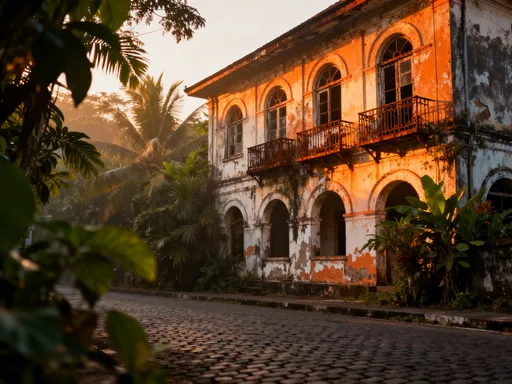
While the main avenues draw the most attention, some of Bandung’s most compelling architectural stories are tucked away in narrow lanes and quiet alleys. Just steps away from the bustling Braga Street, for example, lie forgotten colonial homes with peeling paint, rusted iron balconies, and ivy-covered walls. These structures, though often in disrepair, exude a haunting beauty that appeals to photographers seeking mood and atmosphere. Their asymmetrical facades, uneven rooflines, and weathered textures create compelling visual contrasts, especially when framed against patches of morning fog or dappled sunlight.
One such area is the Jalan Banceuy and Jalan Aceh corridor, where early 20th-century townhouses stand side by side, many still bearing original Dutch inscriptions above their doorways. Though some are now used as offices or storage spaces, others remain vacant, their interiors hidden behind locked gates. These abandoned buildings offer a glimpse into a different era—one of elegance and quiet refinement. Photographers are often drawn to the play of light and shadow in these spaces, where sunbeams slice through broken windows or illuminate dust particles floating in empty halls. The sense of stillness, even in the middle of the city, adds a layer of emotional depth to every shot.
However, capturing these spaces comes with ethical considerations. Many of these buildings are privately owned, even if they appear neglected. Respecting boundaries is essential. It’s always best to observe from public sidewalks and avoid trespassing. If a building appears accessible or is being used commercially, asking permission before photographing interiors is both courteous and legally sound. Some property owners may even welcome interest in their buildings, especially if it contributes to awareness about preservation. In recent years, local heritage groups have begun documenting these sites, advocating for restoration rather than demolition.
The aesthetic appeal of decay—what some call "ruin photography"—can be powerful, but it should not romanticize neglect. Instead, it can serve as a quiet call to action. When shared responsibly, images of forgotten facades can spark public interest and support for conservation. Social media has become a valuable tool in this effort, with hashtags like #SaveBandungHeritage connecting photographers, historians, and architects who share a common goal: to ensure these structures are not lost to time. Every photograph, when taken with intention, becomes part of a larger narrative about memory, identity, and care.
Modern Marvels: Where Tradition Meets Innovation
While Bandung’s past is richly visible, its present is equally dynamic. A new generation of Indonesian architects is redefining the city’s skyline with bold, contemporary designs that honor tradition while embracing modernity. One standout example is the Bandung Islamic Center Mosque, a striking structure that blends Islamic geometric patterns with sleek, minimalist forms. Its towering minaret and expansive prayer hall are clad in white stone and glass, creating a luminous presence both day and night. The interior features intricate wood carvings inspired by Javanese batik motifs, seamlessly integrating cultural heritage into a modern spiritual space.
This fusion of old and new is not limited to religious buildings. Across the city, cafes, co-working spaces, and boutique hotels are being designed with architectural storytelling in mind. Take, for instance, the growing number of coffee shops built within restored colonial shells but fitted with industrial-chic interiors—exposed steel beams, concrete floors, and minimalist lighting. These spaces offer the best of both worlds: the grandeur of historic facades and the comfort of modern amenities. From a photographic standpoint, they provide dynamic contrasts—soft, weathered exteriors against sharp, clean interiors—that invite creative framing and layered compositions.
Local architects are also experimenting with sustainable design, using natural ventilation, green roofs, and locally sourced materials to reduce environmental impact. This eco-conscious approach is evident in newer residential and commercial projects on the city’s outskirts, where open-plan layouts and large glass walls blur the boundary between indoor and outdoor spaces. These buildings often incorporate traditional Sundanese roof shapes—steeply pitched and wide-eaved—reinterpreted in modern materials like steel and polycarbonate. The result is a design language that feels both familiar and forward-looking.
For photographers, these modern spaces offer fresh perspectives. Reflections in glass surfaces, symmetrical lines, and dramatic lighting create opportunities for abstract and minimalist shots. Night photography, in particular, reveals the sculptural quality of these buildings, as carefully placed lighting highlights curves, angles, and textures. Whether shooting wide-angle exteriors or tight details of material junctions, the modern architecture of Bandung invites exploration and interpretation, proving that innovation does not require erasing the past.
Street-Level Stories: Architectural Details That Speak Volumes
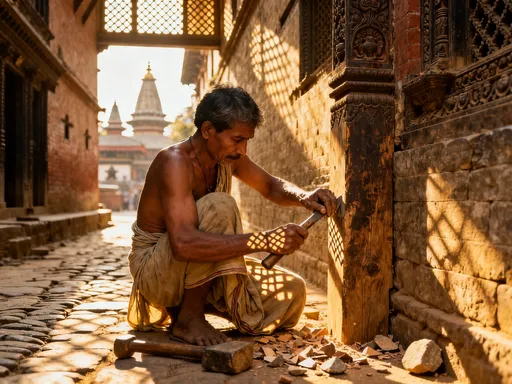
Sometimes, the most powerful images come not from grand facades but from the small, often overlooked details. In Bandung, these details are everywhere—etched into door frames, embedded in floor tiles, or painted onto vintage shop signs. A close look at a century-old hardware store might reveal hand-carved wooden shutters with floral motifs, or a mosaic threshold bearing the year the building was constructed. These elements, though minor in scale, carry immense historical and cultural weight, offering clues about craftsmanship, ownership, and daily life in earlier times.
Stained glass windows in old shophouses are another treasure trove for detail-oriented photographers. Many feature geometric or floral patterns in soft blues, amber, and greens, casting colorful shadows on interior walls during midday. Capturing these effects requires patience and the right equipment. A macro lens allows for extreme close-ups of glass textures and paint cracks, revealing the artistry in every fragment. A polarizing filter can help reduce glare, while a tripod ensures sharpness in low-light conditions. Even smartphone users can achieve impressive results by using portrait mode to isolate textures or editing apps to enhance contrast and color.
Signage is another rich source of visual storytelling. Hand-painted signs in Dutch, Chinese, and old-style Indonesian script can still be found above ground-floor shops, their letters faded but legible. These signs speak to Bandung’s multicultural past and the layers of migration and commerce that shaped its urban fabric. Photographing them in context—framed by surrounding architecture or with pedestrians passing by—adds narrative depth. The goal is not just to document, but to evoke a sense of time and place.
These small details often make the most memorable photographs because they invite viewers to look closer, to wonder about the hands that made them and the lives they witnessed. In a world of fast travel and quick snapshots, slowing down to appreciate a single tile or a rusted hinge can be a meditative act. It transforms photography from mere documentation into a form of connection—with the city, its history, and its people.
Practical Tips for Capturing Bandung’s Built Beauty
Photographing architecture in any city requires planning, but Bandung’s unique urban layout and traffic patterns demand extra consideration. The city is known for congestion, especially during midday and weekends. To avoid frustration, plan your shoots during early morning or late afternoon when traffic is lighter. This not only improves mobility but also aligns with optimal lighting conditions. If using a tripod, be mindful of pedestrian flow—set up on sidewalks rather than in the road, and never block access points or storefronts.
Respecting local etiquette is just as important as technical skill. While many buildings are public or commercially used, others are private residences or places of worship. Always observe posted signs and avoid photographing people without consent, especially in intimate or sacred spaces. When in doubt, a simple smile and gesture can go a long way in asking for permission. Most locals are welcoming, especially when they see genuine interest in their city’s heritage. Engaging in brief conversation can even lead to unexpected access or insider tips about lesser-known spots.
Weather also plays a crucial role in outdoor photography. Bandung’s highland climate means frequent cloud cover and occasional rain, even during dry seasons. While overcast skies can diffuse harsh light—ideal for capturing even exposures—sudden downpours require preparation. Carrying a waterproof bag for equipment and wearing slip-resistant shoes are practical musts. The best months for clear skies and consistent light are usually June through September, when the city enjoys prolonged periods of mild, sunny weather. Early morning fog, while beautiful, can lift quickly, so arriving at your location ahead of time ensures you don’t miss fleeting moments.
Lastly, consider the broader impact of your presence. Avoid touching fragile surfaces, leaning on historic railings, or placing equipment on delicate structures. Photography should leave no trace. By being mindful, respectful, and prepared, you not only protect the sites you love but also contribute to a culture of responsible tourism—one that values preservation as much as beauty.
Why These Spots Matter: Preserving Beauty Through the Lens
Every photograph taken in Bandung does more than capture a moment—it participates in a larger act of preservation. In a rapidly developing city, where old buildings often face the threat of demolition for new construction, visual documentation becomes a form of advocacy. Images shared online, in exhibitions, or in community campaigns can raise awareness about the value of architectural heritage. They remind people that cities are not just collections of buildings, but living records of culture, resilience, and identity.
A growing community of urban explorers, heritage enthusiasts, and local photographers is already making a difference. Through social media, walking tours, and collaborative projects, they are fostering pride in Bandung’s architectural legacy. Some have partnered with city officials to map endangered structures, while others host photo walks that educate the public about historical significance. These efforts show that preservation is not the sole responsibility of governments or experts—it belongs to everyone who walks these streets and sees their beauty.
For visitors, especially women between 30 and 55 who may travel for both relaxation and enrichment, Bandung offers a deeply fulfilling experience. It’s a place where creativity and history intersect, where a simple walk can become a journey through time. Holding a camera in this city is not just about taking pictures—it’s about bearing witness, connecting with craftsmanship, and honoring the stories embedded in brick and stone.
As the sun sets over Gedung Sate and the lights of modern cafes begin to glow, Bandung reveals itself as more than a destination. It is a living canvas, shaped by centuries of change, yet still holding onto its soul. To photograph it is to celebrate not just beauty, but continuity. And in doing so, we help ensure that these architectural gems remain visible, valued, and cherished for generations to come.