Youth Is a State of Metrics: My Systematic Anti-Aging Reset
What if aging wasn’t just about time, but about trackable signals your body sends daily? I used to feel tired, slow, and older than my years—until I started measuring real health indicators. Blood pressure, sleep quality, inflammation markers—these aren’t just numbers. They’re clues. This is how I shifted from guessing to knowing, using a systematic approach that changed how I age. No magic, just measurable change. By tuning into my body’s feedback, I discovered that aging is not a one-way street of decline, but a dynamic process shaped by daily choices. The difference between feeling old and feeling vibrant isn’t luck—it’s awareness, consistency, and the courage to act on what the data reveals.
The Wake-Up Call: When I Realized Aging Wasn’t Inevitable
For years, I accepted fatigue, stiffness, and low energy as natural parts of getting older. I told myself that in my 40s, it was normal to feel worn down by midday, to need naps, to struggle with concentration. I associated aging with loss—of stamina, of sharpness, of joy in movement. But a routine physical exam changed everything. My doctor pointed to elevated C-reactive protein (CRP) levels, a marker of systemic inflammation, and a higher-than-optimal HbA1c, indicating poor long-term blood sugar control. These weren’t signs of disease, but of accelerated biological aging—my body was aging faster than my calendar years suggested.
This moment was a pivot. I had always thought of aging as chronological—something fixed, inevitable, and outside my control. But science shows that biological age, the functional state of your cells and systems, can differ significantly from chronological age. And unlike the passage of time, biological age responds to lifestyle. The data didn’t lie: I wasn’t just aging—I was aging poorly. My metabolism was sluggish, my recovery slow, and my internal environment stressed. The emotional impact was profound. I felt a mix of concern and clarity. Concern, because I realized I had been ignoring subtle warnings—poor sleep, afternoon crashes, joint stiffness. But clarity, because for the first time, I had objective evidence of what was happening inside my body.
Why do these markers matter? Because they are predictive. Elevated inflammation is linked to a higher risk of chronic conditions like heart disease, cognitive decline, and joint deterioration. Poor glucose regulation doesn’t just affect energy—it can accelerate cellular aging through glycation, a process that damages proteins and tissues over time. These aren’t abstract risks; they are measurable processes already at work. The realization wasn’t frightening—it was empowering. If these systems could deteriorate, they could also improve. I wasn’t doomed to decline. I just needed a system to guide change.
Rethinking Anti-Aging: From Skincare to Systemic Health
Like many, I once believed anti-aging meant skincare routines, serums, and the occasional spa day. I focused on the surface—moisturizers for fine lines, eye creams for puffiness, sunblock to prevent spots. But no amount of topical treatment could explain my constant fatigue or slow recovery after mild exertion. That’s when I began to understand: true anti-aging isn’t cosmetic. It’s systemic. It happens beneath the skin, in the mitochondria, blood vessels, and hormonal pathways that keep the body running smoothly.
I started to see my body as a finely tuned system, much like a well-maintained car. Just as engine performance depends on oil levels, tire pressure, and fuel quality, human vitality depends on internal metrics—how efficiently the heart pumps, how stable blood sugar remains, how well the body repairs itself during sleep. These internal functions don’t show up in the mirror, but they determine how you feel, think, and move every day. When I shifted my focus from appearance to function, everything changed. I stopped asking, “Do I look younger?” and started asking, “Is my body functioning younger?”
This mindset shift led me to explore health indicators that reflect biological age. Resting heart rate, for example, reveals cardiovascular fitness—lower rates generally mean a stronger, more efficient heart. Heart rate variability (HRV), a measure of the nervous system’s adaptability, reflects resilience to stress. Glucose stability, tracked through continuous monitoring or HbA1c, shows how well the body manages energy without spikes and crashes. These metrics aren’t just for athletes or biohackers—they are accessible tools for anyone who wants to age well. By focusing on them, I moved from reacting to symptoms to preventing them. I wasn’t trying to erase wrinkles—I was trying to preserve energy, clarity, and mobility for decades to come.
The Key Indicators: What to Track and Why
Not every number on a lab report or wearable screen is equally important. To build an effective anti-aging system, I focused on five core indicators that provide the clearest insight into biological aging. The first is resting heart rate (RHR). A lower RHR—typically below 60 beats per minute for adults—suggests good cardiovascular health. High RHR over time is associated with increased risk of heart disease and earlier mortality. I began tracking mine each morning with a simple chest-strap monitor, and over months, I watched it drop from 72 to 64 as my fitness improved.
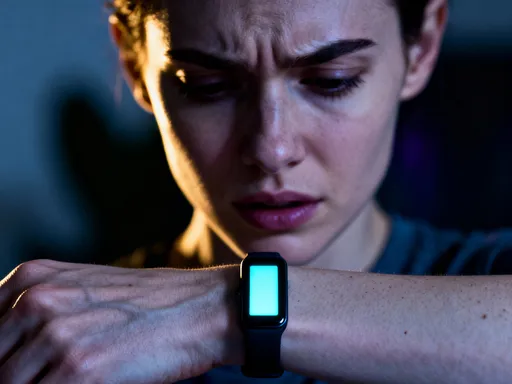
The second is sleep efficiency, the percentage of time spent asleep while in bed. Poor sleep efficiency—below 85%—is linked to impaired cognitive function, weakened immunity, and hormonal imbalances. I used a wearable device to track my sleep stages and found that despite spending eight hours in bed, I was only sleeping 6.5 hours. This explained my brain fog. By adjusting my bedtime routine and reducing screen exposure after 8 p.m., I improved my efficiency to 92%, and my mental clarity returned.
Third is blood pressure. While occasional spikes are normal, consistently elevated readings (above 130/80 mmHg) strain the arteries and increase stroke risk. I started checking mine weekly at home and noticed a downward trend after reducing processed foods and increasing potassium-rich vegetables.
Fourth are inflammatory markers, particularly CRP. Chronic low-grade inflammation accelerates aging across all systems. I retested my CRP after three months of dietary changes—cutting out refined sugars and adding omega-3s—and saw a 40% reduction.
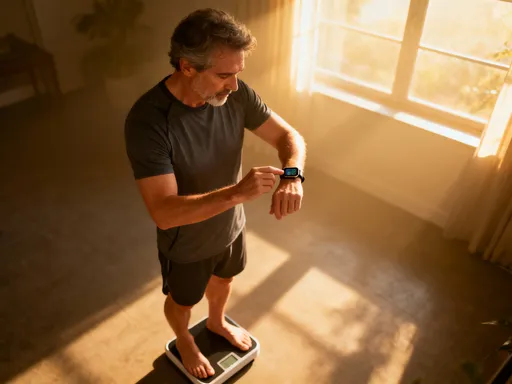
Fifth is body composition, especially muscle-to-fat ratio. Muscle mass naturally declines with age, but losing it too quickly speeds up metabolic slowdown. I used a body composition scale to monitor trends and added strength training twice a week, which helped me gain 3 pounds of lean mass in six months. These five metrics became my dashboard—simple, science-backed, and highly actionable.
How I Built My System: Daily Inputs, Weekly Reviews
A system only works if it’s sustainable. I didn’t want to become obsessed with data—I wanted to use it wisely. So I designed a routine that fit my life. Each morning, before coffee, I check my resting heart rate and blood pressure. It takes less than five minutes. My wearable tracks sleep automatically, and I review the summary each morning—was my deep sleep sufficient? Was my HRV stable? I don’t react to single readings. Instead, I look for trends over weeks.
Every Sunday, I step on the body composition scale and record weight, body fat percentage, and muscle mass. I don’t weigh myself daily—that leads to obsession. Weekly check-ins show direction, not noise. Once a month, I order a lab panel through a reputable service that includes HbA1c, lipid profile, vitamin D, and CRP. I share the results with my doctor to ensure I’m interpreting them correctly.
The real power of this system lies in feedback loops. When I noticed my post-meal glucose spikes were high, I experimented with walking for 10 minutes after eating. Within two weeks, my average glucose levels dropped. When my HRV was low, I prioritized rest, hydration, and early bedtime. I didn’t make drastic changes—just small, data-informed tweaks. Over time, these added up. My recovery from daily stress improved. My energy became more stable. I no longer crashed at 3 p.m. The system didn’t demand perfection. It rewarded consistency. And that made all the difference.
The Role of Lifestyle: Sleep, Movement, and Mindset
Data reveals problems, but lifestyle solves them. I learned this when my metrics exposed gaps I hadn’t noticed. Poor sleep efficiency? It traced back to late-night screen use and inconsistent bedtime. I set a hard stop at 9:30 p.m. for all devices and created a wind-down routine—herbal tea, light stretching, reading. Within three weeks, my sleep quality improved dramatically.
Elevated resting heart rate? I realized I was sitting for 10 hours a day. I started taking five-minute movement breaks every hour—walking, squats, or shoulder rolls. I also added 20 minutes of strength training three times a week. Within two months, my RHR dropped, and I felt stronger.
Chronic inflammation? My diet was the culprit. I was eating too many processed carbs and not enough fiber or healthy fats. I shifted to whole foods—vegetables, legumes, fatty fish, nuts, and seeds. I reduced added sugar and increased hydration. These changes weren’t extreme, but they were consistent. My CRP levels fell, and my skin cleared.
Mindset mattered too. I stopped seeing health as a chore and started viewing it as self-respect. Tracking wasn’t about judgment—it was about understanding. Each number was a message, not a verdict. By aligning my daily habits with what the data showed, I turned vague wellness goals into precise actions. I didn’t need motivation—I had evidence.
Pitfalls and Patience: What the Data Doesn’t Tell You
Data is powerful, but it’s not perfect. I made mistakes. I once chased a “perfect” HRV score, restricting calories and over-exercising, only to see my recovery metrics worsen. I learned that context matters. Travel, illness, or emotional stress can temporarily skew results. A single high glucose reading after a birthday cake doesn’t mean failure—it means life is lived, not optimized.
I also discovered that some changes take time. After six weeks of consistent effort, my lab markers hadn’t improved. I felt discouraged—until my doctor reminded me that cellular repair and metabolic shifts often take three to six months to appear in bloodwork. Patience is part of the process.
Another pitfall was overtesting. I once tested CRP every two weeks, creating unnecessary anxiety. I now stick to quarterly tests unless advised otherwise. I also consult my doctor for any significant anomalies—never interpreting serious markers alone. Data should inform, not replace, professional care. The goal isn’t obsession, but insight. When used wisely, metrics guide decisions. When misused, they create stress. The balance lies in regular, calm review—not constant monitoring.
The Long Game: Sustainable Aging and the Power of Small Wins
Anti-aging isn’t about looking 25 at 50. It’s about feeling strong, clear, and resilient at every age. My systematic approach didn’t reverse time—it slowed decline. I now have more energy, faster recovery, and better focus. I don’t wait for symptoms to act. I prevent them. This shift—from reactive to proactive—has been the greatest benefit.
The real power lies in compounding small wins. One extra minute of deep sleep. One fewer processed snack. One additional strength session. These don’t transform you overnight, but over months and years, they reshape your biological trajectory. I no longer fear aging. I engage with it—mindfully, intentionally, with tools that make a difference.
Systematic tracking isn’t for perfectionists. It’s for people who value health, clarity, and longevity. It’s for those who want to live fully, not just longer. By measuring what matters, I’ve gained more than numbers—I’ve gained control. And that, more than anything, is the essence of aging well.