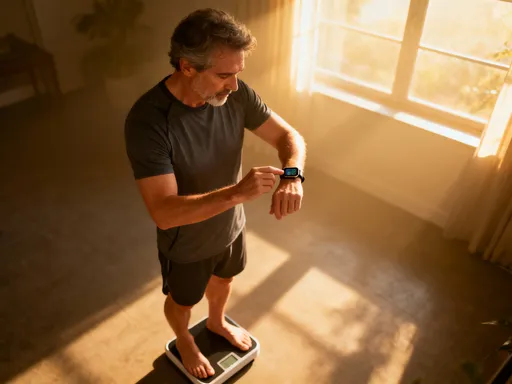
This Is What Keeps Me Healthy After 10 Years of Small Changes
What if staying healthy wasn’t about quick fixes, but tiny choices that add up? I’ve spent over a decade testing habits—not to cure anything, but to prevent problems before they start. It’s not flashy, but it works. This is a real look at how small, consistent actions build long-term resilience. No miracles, no extremes—just science-backed, doable steps. Think of it as your body’s quiet insurance policy. You’ll see why prevention matters more than reaction.
The Wake-Up Call: Why Prevention Matters More Than Ever
For many women between 30 and 55, health often takes a back seat to family, work, and daily responsibilities. It’s easy to believe that serious health concerns are something that happen later in life—or only to others. But the truth is, the foundation for chronic illness is often laid years before symptoms appear. Conditions like type 2 diabetes, high blood pressure, and heart disease are increasingly common, not because of sudden genetic fate, but because of long-term lifestyle patterns. According to global health data, more than 70% of heart disease cases are linked to modifiable behaviors such as poor diet, inactivity, and chronic stress—factors within personal control.
The danger lies in waiting for a diagnosis to act. By the time someone is told they have prediabetes or elevated cholesterol, metabolic changes may already be underway. The body has been sending subtle signals—low energy, poor sleep, weight creeping up—for years. Prevention is not about fear; it’s about awareness. It’s choosing to listen before the alarm sounds. Shifting from a reactive mindset (“I’ll fix it when it breaks”) to a proactive one (“I’ll maintain it before it breaks”) is one of the most powerful health decisions a person can make.
This shift is especially important during midlife, when hormonal changes, slowing metabolism, and increased stress can accelerate health decline if left unmanaged. Yet, this same period offers a unique window of opportunity. The habits formed now can either set the stage for decades of vitality or a lifetime of managing preventable conditions. Public health experts agree: investing in daily wellness is far more effective—and less costly—than treating disease later. Prevention isn’t passive; it’s an active commitment to long-term well-being.
What makes prevention so effective is its cumulative nature. Small choices—like choosing water over soda, walking instead of driving short distances, or prioritizing sleep—don’t seem significant in the moment. But over time, they shape biological outcomes. Blood pressure stays stable. Insulin sensitivity improves. Inflammation levels remain low. These are not abstract concepts; they are measurable markers of health that reflect the power of consistency. The goal isn’t perfection, but persistence. And persistence, built over years, becomes protection.
Building Habits That Stick: The Power of Micro-Consistency
Most people fail to sustain health changes not because they lack willpower, but because they aim too high too soon. The idea of overhauling one’s entire lifestyle overnight is emotionally appealing but practically unsustainable. Research in behavioral science shows that lasting change comes not from intensity, but from repetition. The brain learns through pattern, not punishment. When a behavior is repeated consistently, neural pathways strengthen, making the action easier over time. This is the science behind habit formation—what researchers call the “cue-routine-reward” loop.
For example, if the cue is finishing breakfast, the routine could be a 10-minute walk, and the reward is the feeling of calm and energy that follows. Over time, the brain begins to anticipate the reward, making the behavior automatic. This is why micro-habits—tiny, manageable actions—are so effective. They don’t rely on motivation, which fluctuates, but on structure, which remains steady. A woman who commits to drinking one extra glass of water each day is more likely to succeed than one who tries to drink eight glasses at once. Success builds confidence, which fuels further change.
Consistency matters more than scale. Walking 10 minutes a day, five days a week, may seem insignificant, but over a year, that’s 45 hours of movement—enough to improve cardiovascular fitness and mood regulation. The key is to start so small that resistance is nearly impossible. James Clear, author of *Atomic Habits*, puts it simply: “You do not rise to the level of your goals. You fall to the level of your systems.” Building a system of micro-habits means designing a lifestyle where healthy choices are the default, not the exception.
Tracking progress can also reinforce habit retention, but not in the way many assume. Obsessive logging of calories or steps can lead to burnout. Instead, subtle tracking—like marking a calendar each day you complete a short walk—creates a visual chain of success. The goal is not data, but continuity. When a habit becomes part of identity (“I’m someone who moves every day”), it no longer feels like a chore. It feels like self-care. And self-care, practiced daily, becomes self-respect.
Movement as Medicine: Why Daily Activity Beats Intense Workouts
Exercise is often associated with gyms, sweat, and structured routines, but for many women juggling family and work, this image feels unattainable. The good news is that movement doesn’t have to be intense to be effective. In fact, research shows that everyday physical activity—walking, gardening, climbing stairs, standing—has a profound impact on long-term health. The real enemy isn’t lack of gym time; it’s sedentary behavior. Sitting for long periods, especially without breaks, is linked to increased risks of heart disease, metabolic dysfunction, and even early mortality.
The human body was designed to move frequently, not intensely. Our ancestors didn’t run marathons—they walked miles daily, bent, lifted, and stood. Modern life, with its desk jobs and screen time, has disrupted this natural rhythm. But the solution isn’t extreme fitness; it’s reintegration of movement into daily life. A 2022 study published in the *British Journal of Sports Medicine* found that just 11 minutes of moderate activity per day—like brisk walking—can reduce the risk of premature death by up to 23%. The benefits increase with more activity, but even small amounts matter.
One of the most effective strategies is habit stacking: pairing movement with existing routines. For example, walking for 10 minutes after dinner, doing gentle stretches while watching the evening news, or parking farther from store entrances. These micro-movements add up. Over time, they improve circulation, support joint health, and help regulate blood sugar. For women in their 40s and 50s, this kind of consistent movement is especially important for maintaining bone density and muscle mass, which naturally decline with age.
The goal is not to achieve a certain look, but to preserve function. Movement keeps the body resilient. It supports balance, reduces stiffness, and enhances mood through the release of endorphins. Unlike intense workouts, which can lead to injury or burnout if not managed carefully, daily movement is sustainable for life. It doesn’t require special equipment or hours of time. It only requires intention. When movement becomes a natural part of the day, it stops being exercise and starts being living. And living well is the ultimate form of health protection.
Food as Long-Term Fuel: Eating for Resilience, Not Just Taste
Nutrition is one of the most powerful tools for long-term health, yet it’s often misunderstood. Diets come and go, promising rapid results, but most fail because they’re too restrictive to maintain. True nutritional wellness isn’t about short-term fixes; it’s about building sustainable eating patterns that support the body for decades. The focus should not be on weight loss, but on resilience—how food strengthens the immune system, supports gut health, and reduces inflammation.
Whole, minimally processed foods—vegetables, fruits, legumes, whole grains, nuts, and lean proteins—form the foundation of a resilient diet. These foods are rich in fiber, antioxidants, and essential nutrients that the body uses to repair cells, regulate hormones, and fight oxidative stress. Fiber, in particular, plays a critical role in maintaining a healthy gut microbiome, which science now links to everything from mood regulation to immune function. A diverse gut microbiome is associated with lower risks of chronic disease, including type 2 diabetes and heart disease.
One of the most effective strategies is gradual substitution. Instead of eliminating foods, focus on adding better ones. Swap a processed snack for a handful of almonds. Replace white bread with whole grain. Add an extra serving of vegetables to dinner. These small shifts don’t feel like deprivation, but they create meaningful change over time. Blood sugar levels stabilize, energy improves, and cravings decrease. The goal is not perfection, but progress. Eating well shouldn’t feel like a punishment; it should feel like nourishment.
Mindful eating also plays a role. Slowing down, chewing thoroughly, and paying attention to hunger cues help prevent overeating and improve digestion. Studies show that people who eat mindfully are more in tune with their bodies and less likely to engage in emotional eating. For women managing stress and busy schedules, this awareness is crucial. Food is not just fuel—it’s information. Every bite sends signals to the body about what kind of environment it’s in. A diet rich in whole foods tells the body it’s safe, supported, and valued.
Sleep: The Silent Guardian of Long-Term Health
Sleep is often the first sacrifice in a busy life. Late-night chores, early wake-ups, and screen time can erode sleep quality, but the consequences go far beyond tiredness. Sleep is when the body repairs tissues, balances hormones, and consolidates memories. Chronic sleep deprivation disrupts cortisol regulation, increases inflammation, and impairs insulin sensitivity—creating a biological environment ripe for disease. Research shows that adults who consistently sleep less than six hours per night have a higher risk of obesity, heart disease, and depression.
For women in midlife, sleep can become even more challenging due to hormonal shifts, stress, and lifestyle demands. Yet, this makes it even more essential. Quality sleep supports emotional resilience, cognitive clarity, and metabolic health. It’s not just about duration, but consistency. Going to bed and waking up at the same time every day—even on weekends—helps regulate the body’s internal clock, making it easier to fall asleep and wake up naturally.
Creating a sleep-friendly environment is key. This includes reducing blue light exposure from screens at least an hour before bed, keeping the bedroom cool and dark, and avoiding caffeine in the afternoon. Some women find that a simple bedtime routine—like reading, gentle stretching, or drinking herbal tea—signals to the body that it’s time to wind down. The goal is to make sleep a non-negotiable part of the daily rhythm, not something to fit in when everything else is done.
Improving sleep isn’t about drastic changes, but small, consistent adjustments. Even 15 minutes of extra rest per night can make a difference over time. When sleep is prioritized, other healthy habits become easier. Energy levels rise, willpower strengthens, and emotional regulation improves. Sleep is not a luxury; it’s a biological necessity. It’s the silent guardian of long-term health—one that works while you rest.
Stress Resilience: Managing What You Can’t Avoid
Stress is a fact of life. For women managing households, careers, and aging parents, it’s often constant. But while stress itself can’t always be eliminated, its impact on the body can be managed. Chronic stress keeps the body in a state of heightened alert, flooding the system with cortisol and adrenaline. Over time, this leads to wear and tear on the cardiovascular, immune, and digestive systems. High cortisol levels are linked to weight gain, poor sleep, and weakened immunity—making stress not just an emotional issue, but a physical one.
The goal isn’t to achieve a stress-free life—that’s impossible—but to build resilience. Resilience means the body can respond to stress and then return to balance. One of the most effective tools is breathwork. Simple diaphragmatic breathing—slow, deep breaths from the belly—activates the parasympathetic nervous system, which calms the body. Just five minutes of intentional breathing can lower heart rate and reduce tension. It’s a portable, free, and immediate way to reset the nervous system.
Routine also plays a protective role. Knowing what to expect each day reduces uncertainty, a major source of stress. Building small anchors—like a morning walk, a consistent meal schedule, or a nightly gratitude practice—creates stability. Nature exposure is another powerful buffer. Spending time outdoors, even for 20 minutes, has been shown to lower cortisol levels and improve mood. The combination of fresh air, natural light, and gentle movement helps reset the body’s stress response.
Mindset matters too. Reframing challenges as temporary and manageable—not catastrophic—reduces their emotional weight. This isn’t about ignoring difficulties, but about cultivating a sense of control. Over time, these practices build what scientists call “allostatic resilience”—the ability to adapt to stress without breaking down. It’s not about being strong all the time, but about having tools to recover.
Putting It All Together: Your Personal Prevention Blueprint
There is no single path to long-term health. What works for one woman may not work for another. The key is personalization. Instead of adopting a rigid plan, the goal is to identify the one or two areas where small changes will have the biggest impact. For some, it’s improving sleep. For others, it’s adding daily movement or reducing processed foods. The most effective prevention strategies are the ones that fit seamlessly into life, not those that require a complete overhaul.
Tracking subtle changes can provide motivation. Instead of focusing on the scale, pay attention to energy levels, mood, digestion, and recovery. Do you feel more alert in the morning? Less irritable? Do you recover faster after physical activity? These are signs that your body is responding. They may not show up on a medical test, but they reflect real physiological improvements.
Start by choosing one micro-habit to focus on for 30 days. It could be drinking a glass of water first thing in the morning, walking for 10 minutes after lunch, or turning off screens by 9 p.m. Once that habit feels natural, add another. Over time, these choices form a web of protection. They don’t guarantee immunity from illness, but they significantly reduce risk and increase resilience.
The ultimate goal is to design a life where healthy choices happen naturally. This means structuring your environment—your kitchen, your schedule, your routines—to support your well-being. It means viewing health not as a project, but as a way of living. When prevention becomes part of your identity, it no longer feels like effort. It feels like home.
True wellness isn’t found in extreme measures, but in the quiet, daily decisions no one sees. Over time, these choices form a shield against disease—not through luck, but through intention. This journey isn’t about perfection; it’s about progress. By focusing on prevention, you’re not just avoiding illness—you’re investing in a stronger, more vibrant future. Always consult a healthcare provider before making significant health changes.