How I Fixed My Sleep for Good — The Long-Term Exercise Habit That Actually Works
For years, I chased better sleep with every quick fix out there—herbs, blackout curtains, even expensive mattresses. Nothing lasted. Then I started moving more, not intensely, just consistently. Over months, something shifted. I fell asleep faster, stayed asleep longer, and woke up feeling lighter. This isn’t about overnight miracles—it’s about how regular exercise quietly rewired my sleep for the long haul. It didn’t require extreme effort or drastic changes. Instead, it was the slow, steady rhythm of daily movement that finally brought the rest my body had been missing. This is the story of how a simple, sustainable habit transformed not just my nights, but my days.
The Sleep Struggle: When Rest Feels Impossible
Many people spend years caught in the same exhausting cycle—lying awake at night, watching the clock, hoping for sleep that never comes easily. Even after eight hours in bed, mornings often bring little relief. The body feels heavy, the mind foggy, and motivation seems out of reach. This is not just fatigue; it’s the toll of chronic poor sleep. For many women in their 30s, 40s, and 50s, this struggle becomes a constant companion, quietly shaping daily life in ways that go unnoticed until the exhaustion becomes overwhelming.
Sleep difficulties can manifest in different ways—trouble falling asleep, frequent awakenings during the night, or waking too early without being able to return to sleep. Some rely on routines like warm tea, reading, or white noise machines, yet still find themselves restless. Others try supplements, hoping for a natural solution, only to feel let down when results fade. The emotional impact is just as real: irritability, low mood, difficulty concentrating, and a sense of being constantly behind. These are not minor inconveniences—they affect relationships, work, and overall well-being.
What makes this struggle so frustrating is the temporary nature of most fixes. A new pillow might help for a week. A sleep app may offer short-term insights. But without a deeper, lasting change, the old patterns return. The body craves consistency, not novelty. This realization led me to look beyond gadgets and rituals. I began to wonder: what if the solution wasn’t something I did at bedtime—but something I did during the day? That question brought me to one of the most powerful, yet underused, tools for better sleep: regular physical activity.
Why Exercise? Connecting Movement and Sleep Quality
For decades, sleep researchers and health professionals have observed a strong link between physical activity and improved sleep. The evidence is clear: people who engage in regular exercise tend to fall asleep faster, spend more time in deep sleep, and wake up less during the night. This isn’t about elite fitness or marathon training. The benefits come from consistent, moderate movement—something accessible to nearly everyone, regardless of age or current fitness level.
So how does exercise actually improve sleep? The answer lies in the body’s natural rhythms and chemistry. Physical activity helps regulate the circadian rhythm, the internal clock that controls when we feel alert and when we feel sleepy. By moving at consistent times each day, especially in the morning or afternoon, we reinforce this rhythm, making it easier for the body to wind down at night. Exercise also reduces levels of stress hormones like cortisol, which, when elevated, can keep the mind racing even when the body is tired.
Another key factor is body temperature. During exercise, core temperature rises. Later, as the body cools down—particularly in the hours after a workout—it signals the brain that it’s time to prepare for sleep. This natural dip is one of the strongest physiological cues for rest. Additionally, exercise boosts the production of endorphins and other mood-regulating chemicals, which can ease anxiety and promote a sense of calm. Over time, regular movement strengthens the heart and lungs, improving overall physical resilience, which in turn supports more stable, uninterrupted sleep.
It’s important to note that intensity is not the main driver of these benefits. While vigorous workouts have their place, studies show that even moderate activities like walking, gardening, or light strength training can significantly improve sleep quality when done consistently. The real keys are regularity and timing. Sporadic bursts of activity won’t produce lasting change. But a steady habit—something done most days of the week—can gradually reshape the way the body rests.
My Routine: What I Actually Did (And Still Do)
My journey didn’t start with a fitness plan or a personal trainer. It began with a simple decision: to walk more. At first, I committed to just 20 minutes a day, three times a week. I chose walking because it required no special equipment, no gym membership, and no learning curve. I could do it alone, with a friend, or even while listening to a podcast. The goal wasn’t to push myself to exhaustion—it was to build a habit I could maintain for months, even years.
Within a few weeks, I increased my walks to 30 minutes, five days a week. I usually went in the late afternoon, after work, when I felt the midday slump setting in. This timing helped me avoid the common mistake of exercising too close to bedtime, which can be stimulating for some people. I noticed that these walks didn’t just help me sleep—they made my afternoons more productive. The mental clarity I gained was an unexpected bonus.
About a month in, I added two short strength training sessions each week. These were simple routines—bodyweight squats, wall push-ups, light dumbbell exercises—done at home with a yoga mat and a pair of five-pound weights. I focused on form, not speed, and never pushed through discomfort. The goal was consistency, not intensity. Over time, I felt stronger, more balanced, and more confident in my body. But more importantly, I began to notice changes in my sleep.
The first sign was subtle: fewer nighttime awakenings. I used to wake up at least once, sometimes twice, and lie there for long stretches. Now, I might stir briefly but usually drifted back to sleep without much thought. I also started waking up feeling more refreshed, even on days when I hadn’t slept as long. My reliance on sleep aids—once a weekly habit—faded to almost nothing. These weren’t dramatic shifts, but they were real, and they built over time.
The Turning Point: When Sleep Began to Shift
Looking back, I can pinpoint when things began to change—around the six- to eight-week mark. That’s when the cumulative effects of regular movement started to show. I wasn’t just sleeping better; I was sleeping differently. The quality of my rest had improved. I spent less time in light, restless sleep and more time in deep, restorative stages. Waking up no longer felt like a battle. Instead, it became a natural transition, like the body had finally relearned how to rest.
One of the most meaningful changes was the reduction in nighttime anxiety. Before, my mind would race with unfinished tasks, worries about the next day, or replaying past conversations. Now, those thoughts were quieter. I didn’t need to rely on mental tricks or relaxation apps to quiet my mind. The physical tiredness from movement seemed to create a natural mental calm. It wasn’t that my life had become less stressful—work, family, and responsibilities were still there—but my ability to handle them had improved.
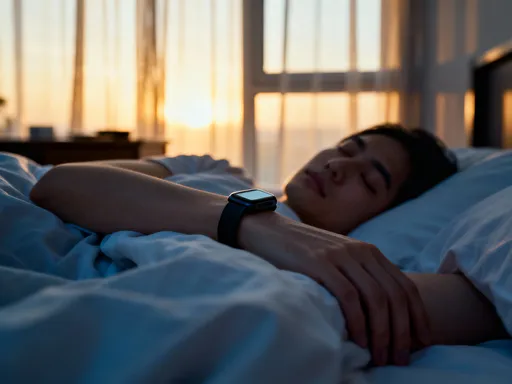
By the three-month mark, the shift was undeniable. I fell asleep within 15 to 20 minutes most nights, compared to the 45 minutes or more I used to struggle with. I rarely woke up in the middle of the night, and when I did, it was easy to fall back asleep. My energy during the day was more stable. I no longer needed an afternoon nap or multiple cups of coffee to stay alert. These changes weren’t just physical—they affected my mood, patience, and sense of control.
What surprised me most was the positive feedback loop that developed. Better sleep made exercise feel easier. When I was well-rested, I looked forward to my walks instead of dreading them. I had more motivation to stick with the routine. And the more I moved, the better I slept. This cycle reinforced itself, making the habit easier to maintain. It wasn’t about willpower—it was about creating conditions where healthy choices felt natural, not forced.
Science Behind the Shift: What Long-Term Exercise Does to Your Body
The transformation I experienced isn’t unique. It’s rooted in well-documented physiological processes that occur when the body engages in regular physical activity. One of the most important mechanisms is the regulation of core body temperature. During exercise, the body heats up. In the hours that follow, especially in the evening, this heat dissipates. That cooling effect acts as a signal to the brain that it’s time to prepare for sleep. This is why many people find it easier to fall asleep after an afternoon or early evening workout.
Another key factor is the balance of stress and relaxation hormones. Chronic stress keeps cortisol levels elevated, which can interfere with both falling and staying asleep. Regular exercise helps modulate cortisol, particularly when done at consistent times each day. It also increases the production of endorphins and other neurotransmitters that promote feelings of well-being. Over time, this creates a more resilient nervous system—one that can transition smoothly from alertness to rest.
Long-term exercise also improves sleep architecture, the pattern of sleep stages throughout the night. Deep sleep, also known as slow-wave sleep, is essential for physical recovery, immune function, and memory consolidation. Studies have shown that people who exercise regularly spend more time in this restorative phase. REM sleep, important for emotional regulation and cognitive function, also becomes more stable. These changes don’t happen overnight, but they accumulate with consistent effort.
Routine itself plays a powerful role. The body thrives on predictability. When movement happens at roughly the same time each day, it becomes part of the body’s internal rhythm. This consistency strengthens the circadian clock, making it easier to fall asleep at night and wake up in the morning. It’s not just about the physical exertion—it’s about the regularity of the habit. That’s why sporadic, intense workouts don’t produce the same long-term benefits as moderate, daily activity.
Common Mistakes That Delay Results
Despite its benefits, exercise doesn’t always lead to better sleep—especially when done incorrectly. One of the most common mistakes is timing. Working out too close to bedtime, especially vigorous exercise, can be stimulating for some people. The rise in heart rate, body temperature, and adrenaline may make it harder to wind down. For those sensitive to this effect, it’s best to finish intense workouts at least three hours before bed. Light stretching or gentle yoga in the evening can be a better option for promoting relaxation.
Another barrier is inconsistency. Many people start with enthusiasm, doing long workouts for a few days, then skip several days in a row. This pattern doesn’t allow the body to build the physiological adaptations needed for improved sleep. The benefits of exercise are cumulative. They come from doing a little most days, not a lot once in a while. Sporadic activity may improve mood or energy temporarily, but it won’t retrain the sleep system.
Overexertion is another pitfall. Some believe that harder workouts will lead to better results. But for sleep, moderate activity is often more effective than intense training. Pushing too hard can increase stress on the body, especially if recovery is inadequate. This can lead to higher cortisol levels, muscle tension, and even insomnia. The goal is not to exhaust the body, but to support its natural rhythms.
Unrealistic expectations also sabotage progress. Many expect to feel better after just a few days. But sleep changes take time. It can take four to eight weeks of consistent effort before noticeable improvements occur. Impatience can lead to frustration and giving up too soon. It’s important to view exercise as a long-term investment in health, not a quick fix. Celebrating small wins—like falling asleep 10 minutes faster or waking up once instead of twice—can help maintain motivation.
Making It Last: Turning Exercise Into a Sleep-Supporting Habit
The real challenge isn’t starting an exercise routine—it’s keeping it going. Lasting change comes not from motivation, but from habit. The most effective way to build a sustainable routine is to make it simple, predictable, and integrated into daily life. One strategy is to pair movement with an existing habit. For example, taking a walk right after dinner turns a daily activity into a cue for exercise. Over time, the brain begins to associate eating with walking, making the behavior automatic.
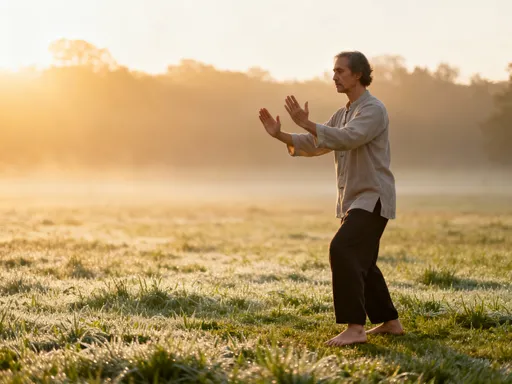
Another helpful approach is to focus on enjoyment rather than performance. Exercise doesn’t have to mean structured workouts. It can be dancing while cooking, gardening, taking the stairs, or playing with children or pets. When movement feels like part of life, not a chore, it’s much easier to stick with. Choosing activities that feel good—rather than ones that feel like punishment—increases the likelihood of long-term success.
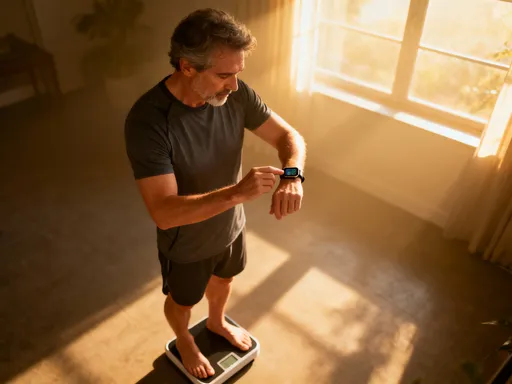
Tracking progress can also reinforce commitment. This doesn’t require complex apps or fitness trackers. A simple journal noting daily activity and sleep quality can reveal patterns and provide encouragement. Seeing small improvements—like fewer nighttime awakenings or more energy in the morning—can be powerful motivators. It’s not about perfection; it’s about consistency.
Finally, mindset matters. Shifting the focus from “working out” to “moving for better rest” changes the entire experience. This reframing makes exercise feel less like a burden and more like self-care. It’s not about burning calories or changing appearance—it’s about giving the body what it needs to function well. When movement is seen as a gift to future self, the habit becomes meaningful, not mechanical.
Conclusion
Exercise didn’t fix my sleep overnight, but it changed everything over time. It’s not a pill or a trick—it’s a quiet, steady force that reshapes how your body rests. By moving regularly, you’re not just building fitness; you’re rebuilding your relationship with sleep. And that’s a change worth sticking with. The journey isn’t about intensity or speed. It’s about showing up, day after day, with kindness and patience. Over time, the body responds—not with dramatic shifts, but with deeper rest, clearer mornings, and a renewed sense of balance. For anyone who has spent years chasing sleep, the answer may not be in a bottle or a device, but in the simple, powerful act of moving your body—consistently, gently, and with purpose.