Salt Was Sneaking Up on Me — Here’s How I Reset My Body and Feel Better Than Ever
Living with high blood pressure wasn’t dramatic — no sudden collapses, no flashing warnings. It was the quiet headaches, the fatigue, the feeling that my body was working overtime just to keep up. When my doctor mentioned reducing salt, I didn’t think a small change could make a difference. But what I discovered through my low-salt journey wasn’t just about food — it was a full lifestyle reset that brought real, noticeable energy and clarity. This is how I rebuilt my health, one mindful bite at a time.
The Wake-Up Call: When “Normal” Blood Pressure Wasn’t Normal at All
For years, I believed I was healthy. I didn’t smoke, I walked regularly, and I avoided fast food most of the time. But during a routine physical, my doctor paused while reviewing my blood pressure reading. It was 138 over 86 — not in the red zone, but no longer in the safe range. She explained that even slightly elevated numbers, if left unaddressed, increase the risk of heart disease and stroke over time. I was stunned. I had no chest pain, no dizziness, no warning signs. Yet my cardiovascular system was under silent strain.
This moment taught me an important truth: the absence of symptoms does not mean the absence of risk. High blood pressure, often called the “silent killer,” can go unnoticed for years while gradually damaging blood vessels and increasing the heart’s workload. The body adapts — too well — masking the toll until more serious complications arise. My doctor didn’t prescribe medication immediately. Instead, she suggested a trial period of dietary changes, starting with one key factor: sodium reduction.
I began to understand that sodium, in excess, acts like too much pressure in a garden hose. Over time, that constant strain weakens the lining of blood vessels, making them less flexible and more prone to plaque buildup. The heart, in turn, must pump harder to circulate blood, leading to thickening of the heart muscle and reduced efficiency. This isn’t a sudden failure — it’s a slow erosion of resilience. The good news? Research consistently shows that lowering sodium intake can lead to measurable drops in blood pressure, sometimes within weeks. For many people, including me, this simple adjustment can delay or even prevent the need for medication.
The real shift began not with fear, but with awareness. I realized that my health wasn’t something that only needed attention during illness. It was something I could nurture every day through small, deliberate choices. Reducing salt wasn’t about deprivation — it was about giving my body a chance to reset, to breathe easier, to function as it was meant to.
Why Salt? Understanding the Invisible Load on Your Body
Sodium is a mineral the body needs in small amounts to regulate fluid balance, support nerve function, and maintain muscle contractions. The problem isn’t salt itself — it’s the sheer quantity most people consume. The average American takes in over 3,400 milligrams of sodium per day, far exceeding the American Heart Association’s recommended limit of 2,300 milligrams — and ideally moving toward 1,500 mg for those with elevated blood pressure.
When sodium levels are too high, the body retains water to dilute it. This increases blood volume, which in turn raises pressure inside the arteries. Think of it like inflating a balloon beyond its intended size — the walls stretch and weaken. Over time, this contributes to hypertension, which affects nearly half of all adults in the United States. The damage isn’t limited to the heart; it can impact the kidneys, brain, and eyes as well.
What surprised me most was discovering where the sodium was coming from. It wasn’t the salt shaker on my kitchen table — that accounted for less than 10% of my intake. The real culprits were processed and packaged foods. A single slice of store-bought bread can contain 200 to 300 milligrams of sodium — up to one-fifth of the daily ideal limit. Canned soups, frozen meals, deli meats, and even sweet snacks like muffins and granola bars often pack hidden salt to enhance flavor and extend shelf life.
Natural foods like fruits, vegetables, dairy, and unprocessed meats contain sodium in modest, manageable amounts. But modern eating habits have shifted heavily toward convenience, and with that shift comes a sodium overload. The body doesn’t distinguish between the salt in a homemade tomato soup and the salt in a packet of instant noodles — it responds to the total load. The goal, then, isn’t to eliminate sodium entirely — that would be neither practical nor healthy — but to manage it wisely. By focusing on whole, minimally processed foods, I began to reduce the invisible burden on my cardiovascular system without feeling deprived.
The First Step: Mapping Your Current Salt Landscape
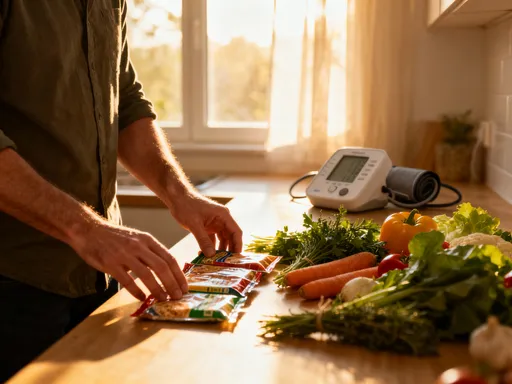
Before I could change my habits, I needed to see them clearly. I started a simple food journal, writing down everything I ate and drank for one week. No judgment, just observation. I noted not only the meals but also condiments, snacks, and beverages. I paid special attention to packaged items, checking the nutrition labels for sodium content per serving — and being honest about how many servings I actually consumed.
What I discovered was eye-opening. My seemingly healthy breakfast of whole-grain toast with peanut butter and a glass of orange juice totaled nearly 800 milligrams of sodium — mostly from the bread and the juice, which I hadn’t realized often contains added salt. My lunch, a turkey sandwich on whole wheat with mustard and a side of chips, pushed me over 1,200 milligrams. By dinner, even if I cooked fresh fish and vegetables, I was already far beyond the recommended daily limit.
This exercise taught me to recognize hidden salt traps. Sauces and dressings are major offenders — a single tablespoon of soy sauce can contain 900 milligrams, and many bottled salad dressings pack 300 to 500 milligrams per serving. Canned beans and vegetables, unless labeled “no salt added,” are often soaked in salty brine. Restaurant meals are another silent contributor; a typical entrée at a casual dining spot can contain 2,000 milligrams or more — the entire day’s allowance in one dish.
The key to mapping your salt landscape is awareness without shame. This isn’t about labeling foods as “good” or “bad,” but about understanding their impact. I began using the % Daily Value (%DV) on nutrition labels as a guide. Anything with 5% DV or less per serving is considered low in sodium; 20% or more is high. I also learned to watch for terms like “reduced sodium” — which means less than the original version but may still be high — and “light in sodium,” which has half the salt. Armed with this knowledge, I could make informed choices rather than guessing.
Flavor Without the Salt: Rebuilding Taste Preferences in 21 Days
One of my biggest fears was that food would taste bland. I worried I’d be eating plain chicken and steamed vegetables with no joy. But what I learned is that taste is adaptable — and in just a few weeks, my palate began to change. Scientists have found that taste buds regenerate every 10 to 14 days, and with consistent exposure to lower-sodium foods, the desire for salt naturally diminishes.
I approached this as a 21-day retraining program. In the first week, I didn’t eliminate salt — I simply stopped adding it during cooking and at the table. I used a small squeeze bottle of lemon juice instead, brightening dishes with acidity. I experimented with garlic powder, onion powder, and smoked paprika, which added depth without sodium. By the second week, I noticed I wasn’t reaching for the salt shaker. The natural flavors of food — the sweetness of carrots, the earthiness of mushrooms — were more pronounced.
By the third week, I was creatively combining herbs and spices. Fresh basil, thyme, rosemary, and cilantro became staples. I discovered that toasted cumin seeds added warmth to lentil soup, and a dash of apple cider vinegar could lift the flavor of roasted vegetables. I began making my own spice blends — a mix of garlic, onion, black pepper, and dried oregano replaced seasoned salt in my recipes. Even my family noticed the difference — not in a negative way, but in how vibrant and aromatic the meals had become.
The psychological shift was just as important as the physical one. I stopped thinking of this as a restriction and started seeing it as an exploration. Each meal became an opportunity to discover new flavors. I learned that salt had been masking taste, not enhancing it. Once it was removed, the ingredients could speak for themselves. This wasn’t a short-term diet — it was a long-term recalibration of how I experienced food.
Building a Low-Salt Kitchen That Actually Works
Success in reducing sodium depended on preparation. I transformed my kitchen into a heart-healthy space by stocking it with whole, unprocessed ingredients. I cleared out canned soups, salty snacks, and bottled sauces. In their place, I added no-salt-added canned beans and tomatoes, frozen vegetables without sauces, fresh produce, whole grains like brown rice and quinoa, and lean proteins such as skinless chicken, fish, and eggs.
I invested in a few simple tools that made cooking easier: a good chef’s knife, a steamer basket, a slow cooker, and a set of glass storage containers. These helped me batch-cook meals on weekends, so I wasn’t tempted by takeout during busy weekdays. I started making large pots of vegetable soup, grain bowls with roasted vegetables, and grilled chicken with herb marinades. Portioning them into containers meant I always had a low-sodium option ready.
Cooking methods made a big difference. Steaming preserved nutrients and natural flavors. Roasting brought out sweetness in vegetables like sweet potatoes and Brussels sprouts. Slow cooking tenderized tougher cuts of meat without needing salty broths. I began using citrus zest, vinegars, mustards, and fresh herbs to build flavor layers. A sprinkle of nutritional yeast added a savory, umami quality to dishes without sodium.
Here’s a sample day of eating that kept sodium under 1,500 milligrams:
Breakfast: Oatmeal made with water, topped with fresh berries and a sprinkle of cinnamon (sodium: ~10 mg)
Lunch: Quinoa salad with black beans (no-salt-added), corn, diced tomatoes, red onion, cilantro, lime juice, and olive oil (sodium: ~300 mg)
Snack: Apple slices with unsalted almond butter (sodium: ~5 mg)
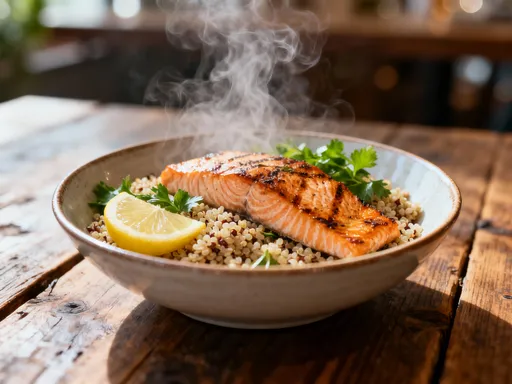
Dinner: Baked salmon with roasted asparagus and brown rice, seasoned with lemon, garlic, and dill (sodium: ~400 mg)
Evening Snack: Plain Greek yogurt with honey and walnuts (sodium: ~70 mg)
Total: ~835 mg — well within the target range.
This kind of planning didn’t require perfection. Some days, I ate out or used a convenient frozen meal labeled “low sodium.” The goal was consistency, not flawlessness. Over time, cooking became less of a chore and more of a practice of care — for myself and my family.
Eating Out Without Sabotaging Progress: Smart Choices in Real Life
Dining out was one of the hardest parts of the transition. I quickly learned that a single restaurant meal could contain more sodium than I should have in two days. A grilled chicken dish might sound healthy, but if it was marinated in a salty solution or served with a creamy sauce, it could easily exceed 2,000 milligrams.
I developed a strategy. First, I looked at menus online before arriving, checking for dishes described as “grilled,” “steamed,” or “fresh.” I avoided anything labeled “crispy,” “breaded,” or “savory” — terms that often signaled high sodium. I also skipped combo meals, which typically include salty sides like fries or coleslaw.
When I ordered, I asked the server specific questions: “Can this be prepared without added salt?” “Are the vegetables steamed or sautéed with butter and salt?” “Can dressings and sauces be served on the side?” Most restaurants were accommodating, especially when I framed it as a health necessity rather than a preference. I also requested lemon wedges, fresh herbs, or hot sauce to add flavor without sodium.
Fast-casual chains began offering lower-sodium options. I learned to build my own bowl with a base of greens or brown rice, adding grilled protein, plenty of vegetables, and a simple vinaigrette. I avoided cheese, bacon, and croutons, which added both sodium and calories. At Asian restaurants, I asked for sauces on the side and chose steamed dishes over stir-fries, which are often high in soy sauce.
The key was not perfection, but intention. I didn’t avoid social meals — I adapted them. Over time, I became more confident in advocating for my needs without feeling awkward. My friends even started asking for tips, realizing that eating lower sodium wasn’t about missing out, but about feeling better.
The Bigger Picture: How This Plan Supports Long-Term Wellness
As the weeks passed, I noticed changes beyond my blood pressure readings. I had more energy. The afternoon slump that used to hit around 3 p.m. disappeared. I felt less bloated — a common effect of excess sodium, which causes the body to retain water. My sleep improved, possibly because my heart wasn’t working as hard at night. I felt lighter, clearer, more present.
Reducing salt became part of a broader wellness shift. I drank more water, which helped flush excess sodium and kept me hydrated. I paid more attention to movement, taking daily walks and adding gentle strength training. I practiced stress-reduction techniques like deep breathing and mindful eating, which helped me stay consistent without feeling deprived.
This wasn’t a quick fix — it was a sustainable lifestyle. I didn’t need to count every milligram forever. Instead, I developed habits that naturally supported lower sodium intake: cooking at home, reading labels, choosing whole foods, and seasoning with herbs. These choices also aligned with other heart-healthy guidelines, such as eating more potassium-rich foods like bananas, spinach, and sweet potatoes, which help balance sodium in the body.
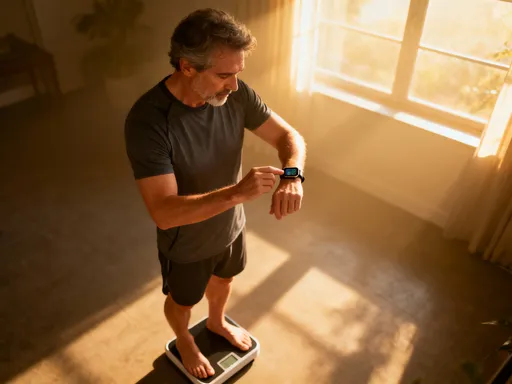
Most importantly, I learned to listen to my body. When I occasionally ate something high in salt — a piece of pizza at a family gathering — I noticed the difference. I felt puffier, more tired. That feedback loop reinforced my choices not through guilt, but through awareness. I also stayed in touch with my doctor, who monitored my progress and celebrated the improvements. After three months, my blood pressure had dropped to 122 over 78 — well within the normal range.
Conclusion: A Simpler Way to Feel Stronger Every Day
Looking back, I realize that my journey wasn’t just about lowering sodium — it was about reclaiming my health with intention and care. I moved from confusion to confidence, from passive eating to mindful nourishment. The changes were small at first: reading a label, trying a new herb, cooking one extra meal at home. But over time, they added up to a transformation.
I no longer see food as the enemy or health as a list of restrictions. Instead, I view it as an act of self-respect — a daily promise to treat my body with kindness. Lowering salt wasn’t a sacrifice; it was a gift. It gave me energy, clarity, and a deeper connection to what I eat and why.
If you’re just beginning this journey, know that progress matters more than perfection. Be patient with yourself. Celebrate small wins. And remember, every bite is a chance to support your long-term vitality. This isn’t about living less — it’s about living stronger, clearer, and more fully, one mindful choice at a time.